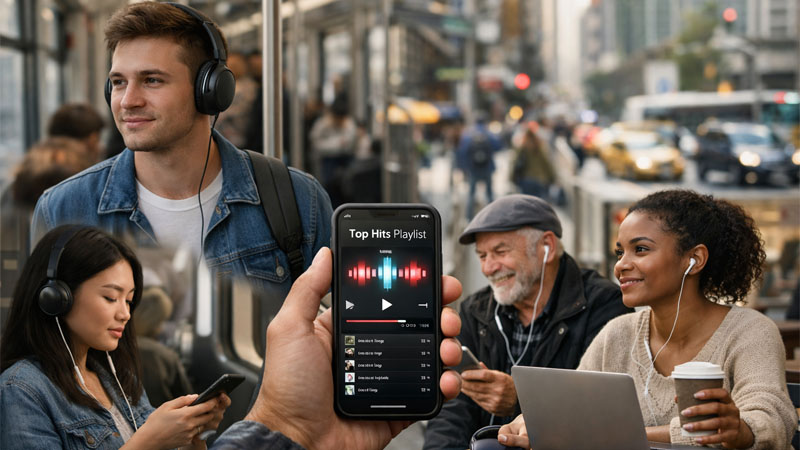
The state of audio consumption has shifted dramatically over the past decade, and by 2026, online audio streaming has woven itself into the fabric of daily life for millions of people across the globe. What started as a convenient alternative to downloading music has evolved into something far more significant. The question isn't really whether audio streaming matters anymore, but rather who depends on it most and why it's become so integral to different aspects of modern living.
Students have perhaps found one of the most practical applications for audio streaming services. The ability to access educational podcasts, language learning programs, and study music without cluttering their devices with downloads has transformed how younger generations consume information. A college student commuting between campus and home can seamlessly switch from a history podcast to a language lesson to background music for studying, all within the same platform. The flexibility matches the chaotic rhythm of student life perfectly.
Professionals working in 2026 face a different set of demands, and audio streaming has adapted accordingly. The hybrid work model that many companies have embraced means people spend significant time commuting, working from home offices, or traveling between locations. Background music that enhances focus, industry-specific podcasts that keep professionals updated, and audiobooks that turn travel time into professional development opportunities have all become standard tools in the modern worker's arsenal. The executive who once read business journals on the train now listens to them while preparing breakfast or during an afternoon jog.
Fitness enthusiasts represent another group that has embraced audio streaming wholeheartedly. The gym floors and running trails of 2026 are filled with people whose workouts are synchronized to carefully curated playlists or guided by podcast hosts and audio coaches. The motivation that comes from the right music or the distraction provided by an engaging story can mean the difference between a mediocre workout and pushing through to new personal records. Streaming services have recognized this, developing features that match tempo to heart rate and creating content specifically designed for different types of physical activity.
Parents navigating the challenges of raising children in the digital age have discovered that audio streaming offers solutions their own parents never had access to. Educational content for children, sleep stories, family-friendly music playlists, and parenting podcasts all live within the same ecosystem. A parent can entertain a restless toddler during a car ride, then switch to a parenting advice show once the kids are asleep, without ever leaving the app. The convenience factor alone has made these services invaluable for busy families.
Creative professionals working in fields like design, writing, and programming have developed sophisticated relationships with audio streaming. Many find that the right auditory environment can unlock productivity and creative flow states that silence or traditional radio simply cannot provide. The ability to create mood-specific playlists, discover new genres for inspiration, or listen to interviews with other creators in their field has made streaming services essential creative tools rather than mere entertainment platforms.
Remote workers, whose numbers have only grown since the pandemic years, face unique challenges that audio streaming helps address. The isolation of working from home can be psychologically draining, and the absence of office ambient noise can feel strangely oppressive. Many remote workers have found that streaming music or podcast conversations creates a sense of connection and normalcy that makes solo work more bearable. It's become a way to fill the silence without the distraction of television or the unpredictability of radio advertisements.
Language learners have benefited enormously from the evolution of audio streaming. Immersion through music, podcasts, and audiobooks in a target language is now accessible to anyone with an internet connection. The repetition and convenience of streaming make it possible to incorporate language practice into daily routines in ways that traditional learning methods never could. Someone learning Spanish can listen to Latin music during their morning routine, a Spanish news podcast during lunch, and a Spanish audiobook before bed, creating multiple exposure points throughout the day.
Elderly individuals, particularly those living alone, have found unexpected companionship through audio streaming services. Podcasts about their interests, music from their youth, and audiobooks that accommodate vision problems have all contributed to improved quality of life. The technology that once seemed designed for younger generations has proven surprisingly adaptable to the needs of older users who appreciate the simplicity of voice commands and the comfort of familiar content always being available.
Small business owners running shops, cafes, and restaurants have discovered that audio streaming offers them control over their business atmosphere that traditional solutions never could. Creating the right ambiance through music can influence customer behavior, encourage longer visits, and reinforce brand identity. The ability to schedule different playlists for different times of day or quickly adjust the mood based on current clientele has turned audio streaming into a subtle but powerful business tool.
Commuters of all types, whether they travel by car, train, bus, or bicycle, have perhaps the most obvious relationship with audio streaming. The hours spent in transit have transformed from dead time into opportunities for entertainment, education, or simple escapism. The person sitting next to you on the subway might be learning a new skill, following a gripping thriller, or simply enjoying music that makes the crowded car feel a little less oppressive.
Mental health and wellness seekers have embraced audio streaming as part of their self-care routines. Meditation guides, sleep assistance programs, anxiety management podcasts, and calming soundscapes are all readily available. The stigma around mental health support has decreased significantly, and the privacy of accessing these resources through personal headphones has made help more accessible to people who might not seek traditional therapy.
The reality of 2026 is that audio streaming has become democratized to the point where asking who benefits from it is almost like asking who benefits from the internet itself. The technology has matured beyond early adoption phases and novelty uses into something genuinely useful across demographics, professions, and lifestyles. Whether someone needs background noise to concentrate, wants to learn something new during their commute, seeks comfort in familiar music, or simply prefers the convenience of having infinite audio content available instantly, streaming services have evolved to meet those needs. The question is no longer who can benefit from audio streaming, but rather how each person chooses to integrate it into their particular version of modern life.